Alma OPUS Recovery Day by Day: What to Expect After Treatment
Updated October 2026 | Carolina Trim Clinic, Fort Mill, SC
Most people getting Alma OPUS can plan on roughly three to seven days of visible recovery: warmth and redness on day one, a sandpaper texture and light peeling around days two to four, and skin that takes makeup comfortably by the end of the first week. The exact timeline depends heavily on how deep your provider sets the treatment, which is adjusted to your goals. A light refresh and an aggressive resurfacing are not the same recovery. Here is what each day actually looks like, so you can plan your calendar before you book.
Key Takeaways
- Typical visible recovery is about three to seven days, with the most noticeable day being day two or three.
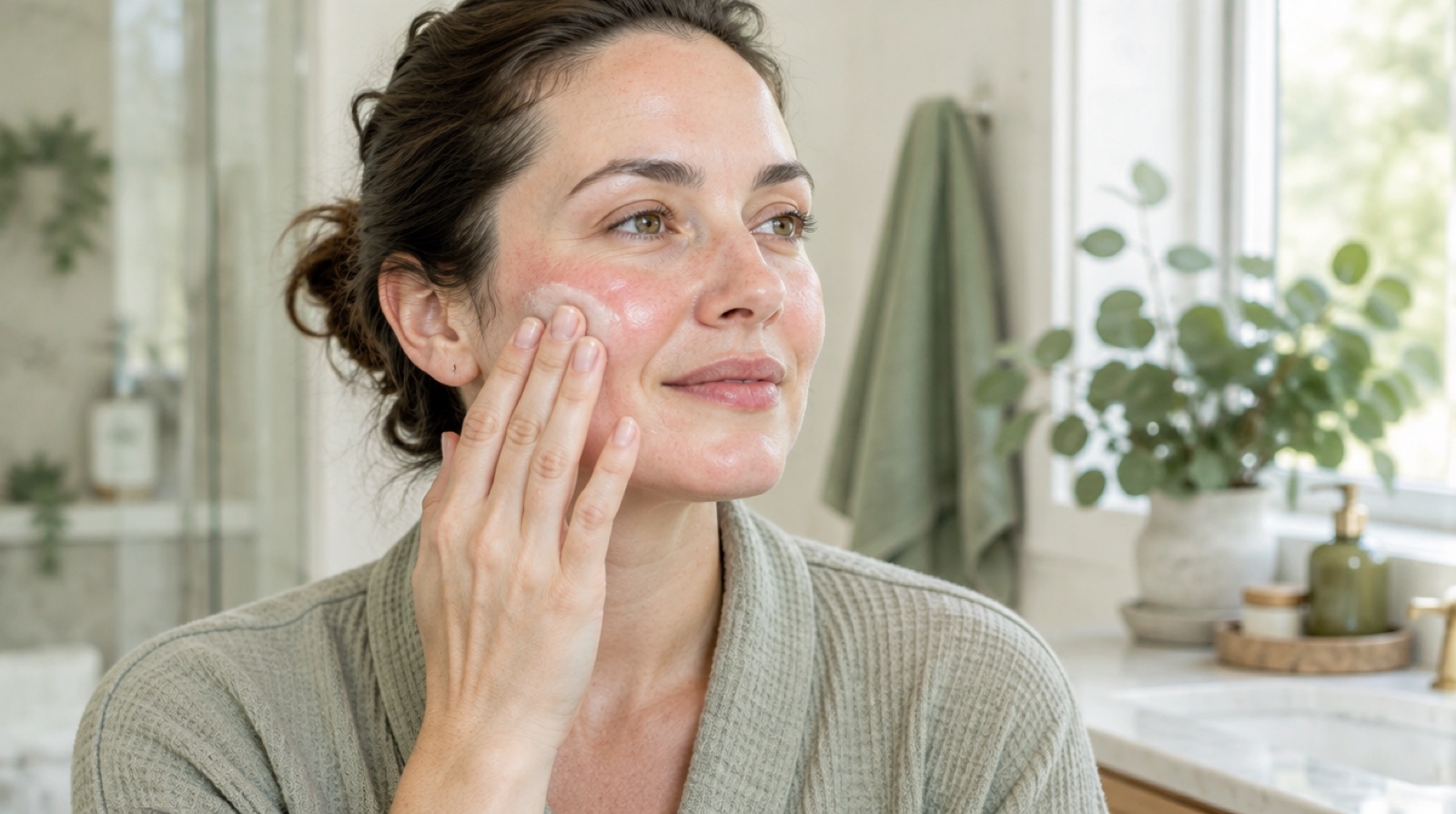
- Day one feels like a strong sunburn: hot, tight and red.
- Light peeling and a sandpaper or grid-like texture usually appear on days two to four. Do not pick it.
- Most people return to makeup around days four to seven, once skin is no longer raw.
- Collagen remodeling continues for weeks, so final results arrive well after visible recovery ends.
- Plan treatment at least two weeks before any event you care about.
What Alma OPUS Actually Does
OPUS combines fractional plasma energy with radiofrequency. A specialized applicator with metal pins delivers controlled energy that creates a pattern of tiny treated zones on the skin surface while also heating the deeper dermis.
Those two actions do different jobs. The surface treatment resurfaces texture, pores and scarring. The deeper radiofrequency heating stimulates collagen and elastin over the following weeks. Because the treated zones are fractional, untreated skin between them speeds healing, which is why recovery is measured in days rather than weeks.
Alma cites a randomized study of 33 patients with skin types III and IV reporting results equivalent to fractional CO2 with roughly half the downtime, and no post-inflammatory hyperpigmentation. That is manufacturer-cited data on a small group, so treat it as a reasonable indication rather than proof.
Recovery Day by Day
Day 0: Treatment day
Numbing cream is usually applied beforehand. During treatment most patients report heat and a prickling sensation. Immediately afterward the skin is red, warm and tight, similar to a moderate sunburn. Some swelling is normal, especially around the eyes.
What to do: Cool compresses if your provider approves, the bland moisturizer you were given, and nothing else. No actives, no scrubs, no makeup. Sleep with your head slightly elevated to limit morning puffiness.
Day 1: Peak redness and swelling
This is often the most swollen day, particularly in the morning. Redness is pronounced. Skin feels tight, dry and hot. Some people see a faint grid or bronzed pattern where the energy was delivered.
What to do: Moisturize frequently, keep it gentle, stay out of the sun entirely. Avoid exercise, saunas and hot showers, which increase redness and swelling.
Days 2 to 4: Texture and peeling
Swelling settles. The skin develops a rough, sandpapery feel and starts to flake or peel in fine sheets. The bronzed pattern becomes more obvious before it sloughs away. This is the stage people find visually surprising, and it is completely expected.
What to do: Let it shed on its own. Picking or exfoliating at this stage is the single most common cause of scarring and pigment problems. Keep moisturizing. Keep using sunscreen if you go outside at all.
Days 4 to 7: New skin, back to normal
Most of the flaking finishes. Underneath, skin looks pink and fresh. Many people feel comfortable wearing makeup again somewhere in this window, once the surface is intact rather than raw. Residual pinkness can linger and is easily covered.
What to do: Resume mineral makeup if your provider agrees. Keep sunscreen daily. Still no retinoids, acids or scrubs.
Weeks 2 to 4: Quiet progress
Surface recovery is done and most people look entirely normal. Underneath, collagen remodeling is underway. Skin tone and texture continue improving gradually.
What to do: Reintroduce active skincare only when your provider clears it, usually after a couple of weeks.
Weeks 4 to 12: Final results
This is when the deeper benefits show: improved firmness, refined texture, softened fine lines and better overall tone. If a series was recommended, additional sessions are typically spaced four to six weeks apart.
What Changes Your Recovery Time
- Treatment depth and energy settings. The biggest factor by far. A gentle refresh may leave you presentable in two or three days. A deeper correction for scarring takes the full week.
- Area treated. Full face differs from a targeted area.
- Your skin type and healing tendency.
- How well you follow aftercare. Sun exposure and picking genuinely prolong recovery.
- Whether it is your first session.
Aftercare: The Short List
Do:
- Use only the gentle cleanser and moisturizer your provider recommends
- Apply sunscreen every day once your provider says the skin can tolerate it
- Sleep slightly elevated for the first night or two
- Drink water and let the skin shed on its own schedule
Do not:
- Pick, peel, scrub or exfoliate
- Use retinoids, vitamin C, acids or anything active until cleared
- Sit in direct sun, a tanning bed, sauna or hot tub
- Do heavy exercise for the first couple of days
- Book this within two weeks of a wedding, holiday or photographs
When to Call Your Provider
Ordinary recovery is uncomfortable but predictable. Call if you notice:
- Increasing pain after the first 48 hours rather than decreasing
- Spreading redness, warmth, pus or any sign of infection
- Blistering or open areas
- Fever
- Cold sore symptoms, if you are prone to them
Frequently Asked Questions
How long is Alma OPUS downtime?
Usually about three to seven days of visible recovery, depending on treatment depth. Lighter settings can mean as little as two to three days.
When can I wear makeup after Alma OPUS?
Most people resume makeup between days four and seven, once the skin is no longer raw or actively peeling. Confirm with your provider.
Does Alma OPUS hurt?
Numbing cream is applied first. Most patients describe warmth and a light snapping sensation during treatment, then a sunburn-like feeling afterward.
How many sessions will I need?
A series of about three sessions spaced four to six weeks apart is commonly recommended, depending on your concerns and goals.
Is Alma OPUS safe for darker skin tones?
The manufacturer-cited study included skin types III and IV and reported no post-inflammatory hyperpigmentation. Any resurfacing on richly pigmented skin should still be approached conservatively with an experienced provider, and a patch test is reasonable.
When will I see final results?
Surface improvements show within a couple of weeks. The collagen-driven changes build over roughly one to three months.
Plan Your Treatment in Fort Mill, SC
The most common regret with resurfacing is scheduling it too close to an event. Our Alma OPUS skin rejuvenation consultations set depth and timing around your calendar and your skin. We serve Fort Mill, Tega Cay, Rock Hill, Indian Land, Lake Wylie, and the greater Charlotte area.
You may also want to read how Alma OPUS addresses wrinkles and fine lines.
Carolina Trim Clinic
230 Rockmont Dr, Fort Mill, SC 29708
Call 803-548-8746 (803-548-TRIM)
Tuesday to Friday 9am to 5pm, Saturday 9am to 3pm
Schedule your consultation today.
Sources
This article is for educational purposes only and is not a substitute for medical advice. Recovery varies with treatment settings and individual healing. Follow the aftercare instructions given by your own provider. Results vary by individual.
Read More Blogs!
Stay updated with the latest blog posts and engage with our community.